seeds, almonds, spinach) or supplement
Caution: High doses may increase bleeding risk—avoid if on blood thinners
3. Magnesium
Why: Helps relax blood vessels and supports healthy blood pressure
Signs of deficiency: Muscle cramps, restless legs, poor sleep
Best forms: Magnesium glycinate or citrate (200–400 mg/day)
4. Omega-3 Fatty Acids (EPA/DHA)
Why: Reduce inflammation, lower triglycerides, and improve endothelial function
Dose: 1,000–2,000 mg combined EPA/DHA daily from fish oil or algae
Bonus: May reduce leg pain in people with PAD
🚨 When Poor Circulation Is a Medical
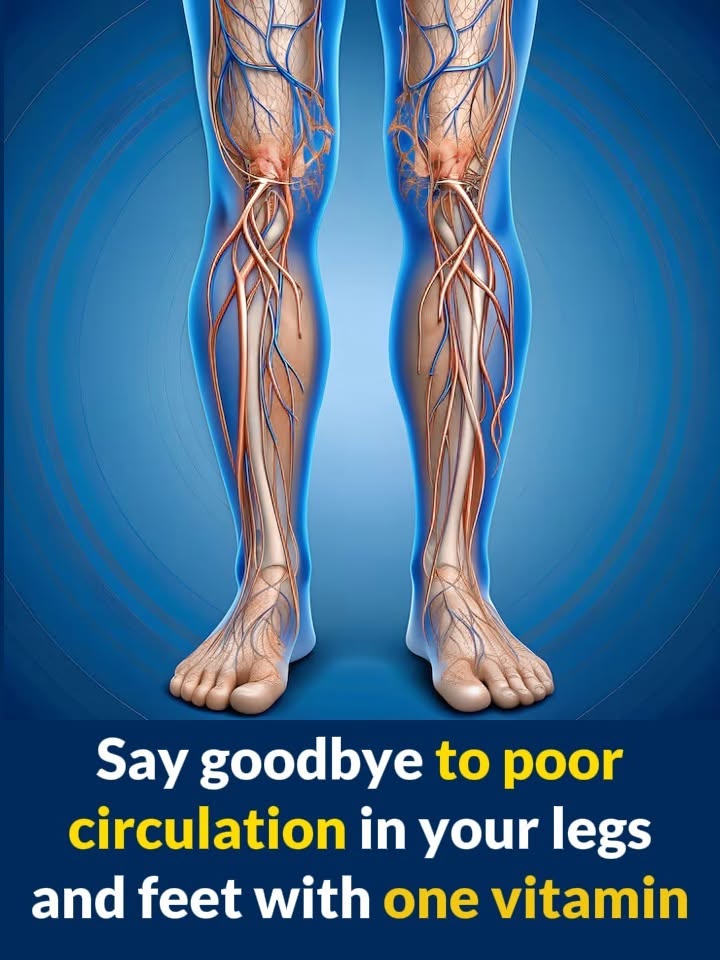
The Best Vitamin for Poor Circulation in Legs and Feet? Why Vitamin B3 (Niacin) Could Be Your Answer—Plus 4 Other Key Nutrients to Know