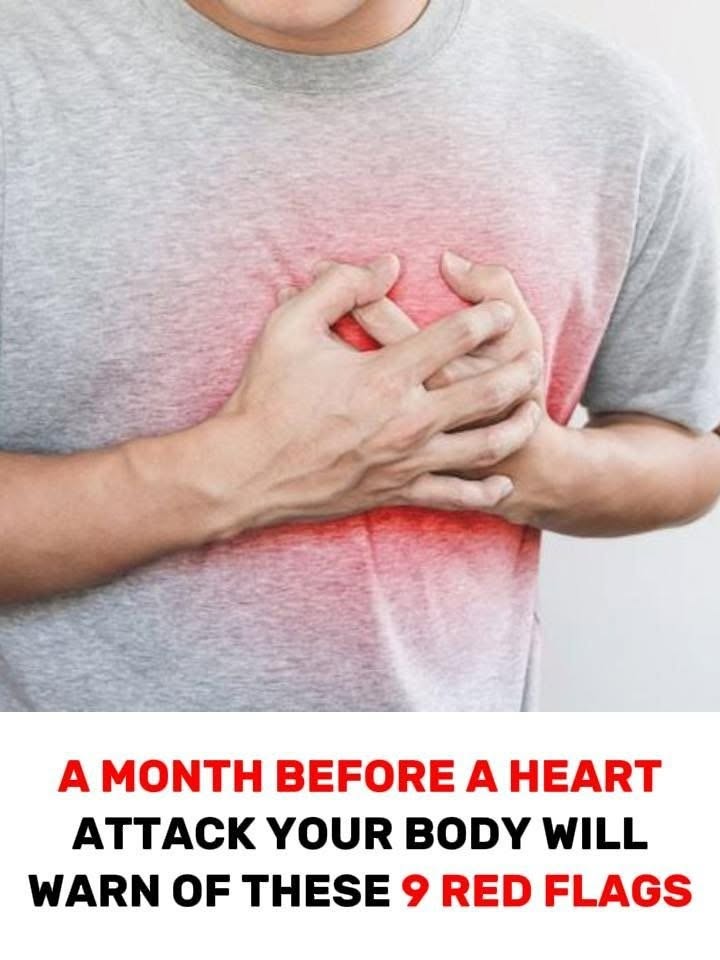
- discomfort spreading to the arm, jaw, neck, shoulder, or back
- Severe or sudden shortness of breath
- Cold sweating with chest discomfort
- Fainting or near-fainting
- Sudden unexplained weakness with other heart symptoms
- Nausea combined with chest pressure or breathing difficulty
The American Heart Association advises calling emergency services when heart-attack warning signs occur rather than waiting to see whether they disappear.
Do not drive yourself if emergency medical care is available.
Who Is at Greater Risk?
Heart attacks can happen to anyone, but risk increases with factors such as:
- High blood