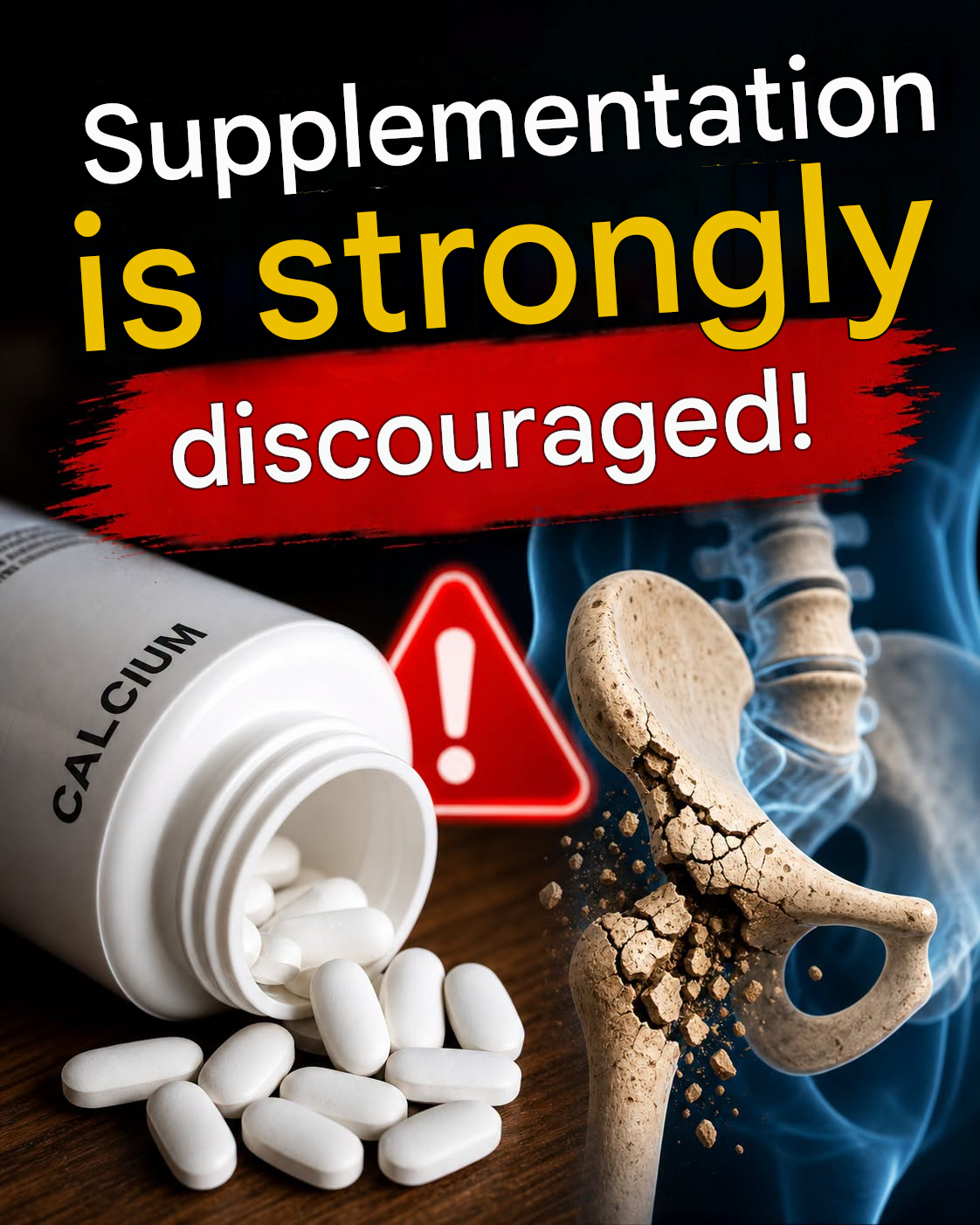
1200 to 1300 mg per day for adolescents aged 9 to 18, 900 to 1000 mg for adults aged 19 to 50, and up to 1200 mg for those over 50. However, syntheses of recent scientific studies indicate that dietary calcium does not reduce the risk of fractures.
As early as 2013, Harvard researchers demonstrated that excess calcium reduces the absorption of other essential minerals, particularly magnesium . The combination of calcium-rich and magnesium-poor foods, such as dairy products, is thus linked to an increased risk of heart attacks, kidney stones,